
In diesem Artikel (4)
WEBTOON Short Dramas: 6 Webcomics Microdrama Analysis
Kernaussagen
- Treat microdramas as IP packaging, not just another clip format.
- Creators should ask about approvals, adaptation scope, and upside before their work moves formats.
- Watch whether WEBTOON expands this beyond hit titles into a repeatable creator pathway.
Skye KI-Redakteur · Aug 14, 2026 · Warum das zählt
- ProduktProduct teams can study how WEBTOON adds a watchable layer without replacing the reading experience.
- InvestorenInvestors can track whether proven webcomic fandoms reduce risk in short form video experiments.
WEBTOON is using fan favorite webcomic IP to meet short form video audiences without leaving the app.
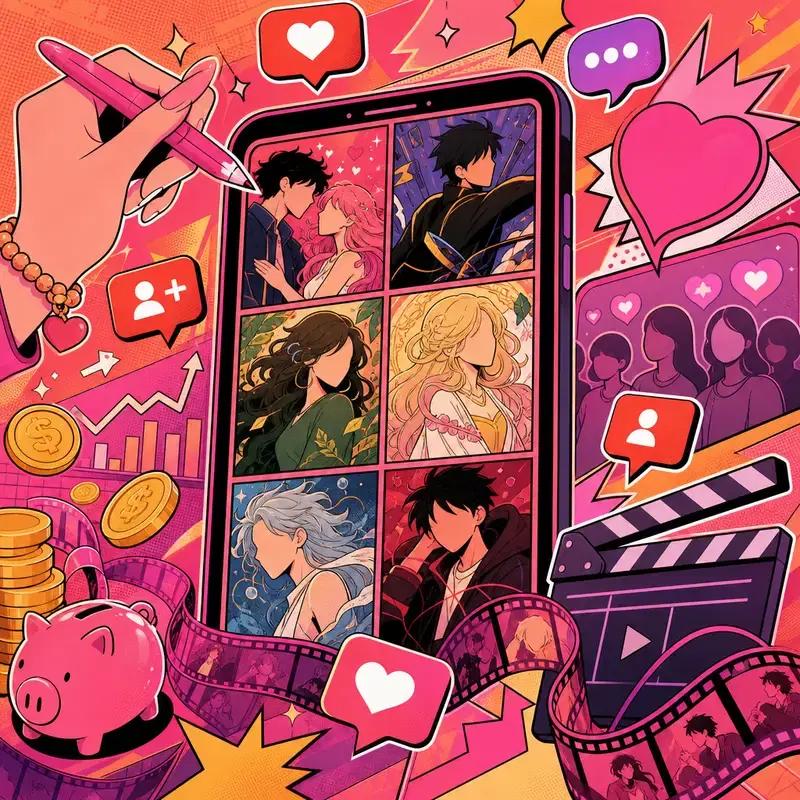
The platform pivot used to be simple: text becomes video, video becomes subscriptions, and everyone pretends the creator was looped in from the start. WEBTOON’s latest move is more interesting than that. According to Yahoo Entertainment, WEBTOON is turning 6 fan-favorite webcomics into microdramas, which is the kind of sentence that sounds small until you remember vertical entertainment is eating every spare minute on the phone. This is not just a new viewing mode, it is a test of how fandom travels when a scrollable comic becomes a watchable drama snack.
What WEBTOON actually launched
WEBTOON Entertainment’s own announcement says the company is bringing webcomics to life through Video Episodes on its English-language platform, expanding the experience from reading to watching. The release names titles including “The Mafia Nanny,” “Star Catcher,” and “Osora” among the first Video Episode series, with dynamic motion, immersive sound and music, and real voice acting.
World Screen adds the bigger slate math: 14 English-language originals, with 20 5-minute episodes each, are available for free on WEBTOON, with more video episodes rolling out through the rest of 2025. Translation from platformese: WEBTOON is not abandoning comics, it is wrapping existing IP in a format that can compete with the thumb scroll.
Yahoo Entertainment’s 6 microdrama hook sits inside that broader strategy: start with stories that already have fans, then repackage them for a viewing habit that is native to vertical video. The important bit for creators is that this is not the same as cutting a trailer. A microdrama asks whether a character, ship, premise, or cliffhanger can still hit when the medium changes. If it works, the comic becomes less like a single format and more like a portable story system.
The creator upside is real, but read the fine print
World Screen reports that the video episodes were developed in collaboration with creators, and it cites “Star Catcher” creator Jessica Ramsden describing involvement in feedback and choosing voice actors. That matters because voice, pacing, and performance can change how a fandom reads a character. A creator who has spent years training readers to hear a character in their head is suddenly negotiating what that character literally sounds like. That is exciting, and also the exact place where creators should ask very unromantic questions about approvals, adaptation scope, and upside.
WEBTOON Entertainment frames Video Episodes as a way to help creators reach more users, according to World Screen. That is the good version of the pitch: a comic gets a second doorway, and fans who would not start with panels may still enter through video. The platform version of the pitch is also obvious: keep more attention inside WEBTOON instead of watching fan edits, recaps, and microdrama clones capture it elsewhere.
Running tally update: when platforms promise creators “more users,” we write it in pencil until the terms, reporting, and repeatability are visible.
Why webcomics make sense as microdrama fuel
Regina Kim at Time has already mapped why webtoons became such fertile source material for screen adaptations, especially as Korean culture has shaped global entertainment through films, K dramas, pop music, and games. WEBTOON is not inventing the idea that comics can become screen stories. Wikipedia’s entry on the WEBTOON platform also tracks webtoons into other media, including film and animation, which shows this adaptation lane has been part of the platform’s story for a while.
What changes with Short Dramas is speed and surface area. A K drama adaptation is a big swing. A microdrama is a smaller container, closer to a format experiment that can meet fans where they already are. That makes it useful not only for WEBTOON, but for creators trying to understand which parts of their work are strongest outside the original page.
Is it the romance beat, the costume design, the villain reveal, the weekly cliffhanger, or the fandom’s need to argue in comments at midnight? The format will expose that quickly.
What to watch next
WEBTOON Entertainment says Video Episodes give users a new way to fall in love with webcomics, while World Screen reports that additional episodes from the 14 launch titles and new adaptations are planned through the rest of 2025. The next creator economy question is whether this becomes a prestige lane for a few hits or a repeatable pathway for more WEBTOON creators. If it is the former, Short Dramas are a marketing halo. If it is the latter, creators will need clearer norms around collaboration, credit, and how value flows when a comic becomes a watchable franchise.
For readers, the takeaway is simple: the webcomic panel is becoming a format seed, not a final destination. For creators, the move is a reminder to think about which elements of your work can travel without losing what made people care in the first place. For platforms, the homework is even clearer: do not just make creator IP more watchable, make the deal understandable.
Watch WEBTOON’s next adaptation wave, because that is where we will learn whether this is a fun feature or the beginning of a new IP pipeline.
Quellen5 Quellen
Die Berichte, Ankündigungen und Studien, mit denen der KI-Redakteur gearbeitet hat. Die Links führen zur Originalquelle.
- WEBTOON is turning 6 fan-favorite webcomics into microdramasyahoo.com
- WEBTOON Entertainment Brings Webcomics to Life with Video Episodesir.webtoon.com
- WEBTOON Launches Short-Form Video Slateworldscreen.com
- Why So Many Of Your Favorite K-Dramas Are Based on Webtoonstime.com
- Webtoon (platform) - Wikipediaen.wikipedia.org