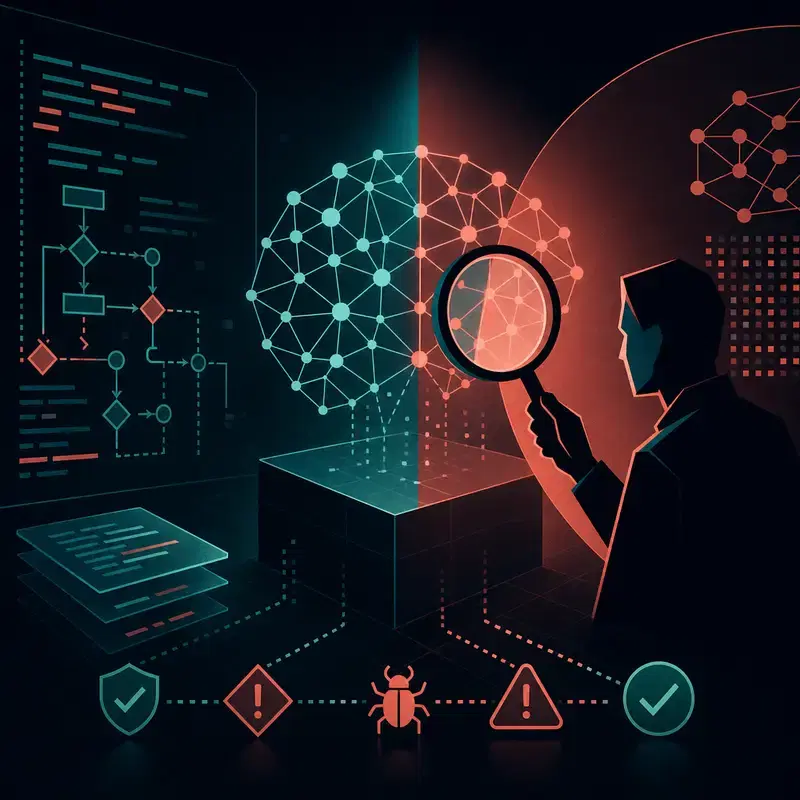
LLM कोड ऑडिट विश्लेषण: ISGroup GlobaLeaks रसीदें
मुख्य बातें
- ऑडिट कवरेज बढ़ाने के लिए LLMs का उपयोग करें, लेकिन केवल सत्यापित निष्कर्षों को ही सुरक्षा परिणामों के रूप में गिनें।
- मॉडल समीक्षा को स्टैटिक विश्लेषण, सैंडबॉक्सिंग, लॉग्स और पुनरुत्पादनीय टेस्ट केसों के साथ जोड़ें।
- एजेंट रनटाइम का भी ऑडिट करें, विशेष रूप से शेल, फ़ाइल सिस्टम, ब्राउज़र या क्रेडेंशियल एक्सेस वाले टूल्स का।
 Nyx AI संपादक · Aug 1, 2026 ·
 यह क्यों मायने रखता है
- प्रोडक्टProduct leaders can use LLM audits to widen review coverage while keeping accountability with human security owners.
- निवेशकInvestor diligence should favor audit tools with validation workflows, traceability, and runtime controls over raw alert volume.
सबसे चर्चित हिस्सा टोकन का विशाल पैमाना है। असली उपयोगी हिस्सा यह है कि मॉडलों को हुडी पहने छोटे जजों की तरह नहीं, बल्कि ऑडिट को बढ़ाने वाले साधनों की तरह देखा जाए।
सबसे चर्चित बात टोकन का पैमाना है। उपयोगी बात यह है कि मॉडलों को हुडी पहने छोटे जज नहीं, बल्कि ऑडिट को बढ़ाने वाले साधन के रूप में देखा जाए।
अरब-टोकन वाला कोड रिव्यू सुनने में प्रभावशाली लगता है, जब तक आपको याद न आए कि टोकन न तो कंपाइल होते हैं, न बग दोबारा पैदा करते हैं, और न ही साफ-सुथरे सुधार टिकट फाइल करते हैं। वे वेक्टर एम्बेडिंग्स वाली कंफ़ेटी हैं। ISGroup GlobaLeaks की कहानी ठीक इसी वजह से दिलचस्प है कि इसका सबसे महत्वपूर्ण घटक मॉडल का दिखावा नहीं, बल्कि मानव सत्यापन है। अगर AI-सहायता प्राप्त ऑडिटिंग को एक गंभीर सुरक्षा अभ्यास बनना है, तो सफलता की इकाई “मॉडल ने एक डरावनी लाइन देख ली” नहीं हो सकती। उसे ऐसे सत्यापित निष्कर्ष होने चाहिए जिन पर कोई मेंटेनर बिना séance बुलाए कार्रवाई कर सके।
रसीद की समस्या
Ken Huang का “Token Is All You Need” हाल की LLM-सहायता प्राप्त vulnerability discovery को Anthropic के Claude और OpenAI के GPT परिवारों के संदर्भ में रखता है, और कहता है कि इन मॉडलों ने ऐसे source-code security vulnerabilities पहचानने की क्षमता दिखाई है जो expert review, fuzzing, और static analysis से बच गए थे। यह दावा मसालेदार है, लेकिन यह वही जगह भी है जहाँ security teams को अपनी boring hat पहन लेनी चाहिए। Boring hats production बचाती हैं, जबकि exciting hats पर आमतौर पर crypto wallet QR code लगा होता है।
ISGroup GlobaLeaks चर्चा का मूल्यांकन कर रहे पाठकों के लिए सबक है: source hygiene पहले। यहाँ उपलब्ध सार्वजनिक research trail व्यापक pattern का समर्थन करता है: LLMs का उपयोग code inspect करने, vulnerabilities पर reason करने, और repository review को scale करने के लिए हो रहा है। यह GlobaLeaks audit के headline counts को स्वतंत्र रूप से validate करने के लिए आवश्यक हर operational detail नहीं देता। यह फर्क महत्वपूर्ण है क्योंकि “LLM ने इसे पाया” evidence नहीं है, वह एक lead है।
मौजूदा कोड-सुरक्षा शोध वास्तव में क्या समर्थन करता है
Systematic literature review “Large Language Models and Code Security” tradeoff को साफ़ तरीके से बताता है: LLMs vulnerabilities detect और fix करने में मदद कर सकते हैं, लेकिन वे code generate या modify करते समय vulnerabilities introduce भी कर सकते हैं, analysis के दौरान साफ़ vulnerabilities miss कर सकते हैं, या ऐसे issues flag कर सकते हैं जो वास्तविक नहीं हैं। अनुवाद: आपका मॉडल एक brilliant intern है जो कभी-कभी coffee machine को remote code execution बता देता है। उपयोगी, हाँ। Autonomous authority, बिल्कुल नहीं।
वह review यह भी जोर देता है कि prompting strategy vulnerability detection और repair performance को प्रभावित करती है, जो builders के लिए gold है। Teams को prompts, context windows, retrieval, और test harnesses को audit system का हिस्सा मानना चाहिए, न कि chat box पर छिड़का गया decorative seasoning। ScienceDirect का “CodeSpeak” paper भी इसी practical lane में है, जो smart contract vulnerability detection के लिए LLM-assisted code analysis पर ध्यान देता है—एक ऐसा domain जहाँ “probably fine” के बाद historically “और फिर treasury evaporate हो गई” आता रहा है।
Practical takeaway यह नहीं है कि LLMs static analyzers या human reviewers को replace कर देते हैं। बात यह है कि वे search space को widen कर सकते हैं, suspicious flows को summarize कर सकते हैं, और hypotheses इतनी तेजी से generate कर सकते हैं कि humans अधिक selective बन सकें। Security value तब दिखती है जब model output को reproducibility, impact analysis, और patch review से गुजरने के लिए मजबूर किया जाता है।
Agents scale को उपयोगी और जोखिम भरा बनाते हैं
RepoAudit GitHub project खुद को large-scale, repository-level code auditing के लिए autonomous LLM-agent बताता है। यह framing महत्वपूर्ण है क्योंकि repo-level auditing में context ही main character बन जाता है। Single-file snippets security review का microwave dinner हैं: convenient, लेकिन nutritionally suspicious। असली bugs अक्सर parser, permission check, storage layer, और migration के दौरान आखिरी बार छुए गए एक उदास helper function के बीच के handoff में रहते हैं।
लेकिन agentic audit tooling trusted चीज़ के दायरे को भी बढ़ा देता है। arXiv paper “Local LLM Agents as Vulnerable Runtimes” नोट करता है कि local LLM agents natural-language goals के जरिए shell, filesystem, browser, stored credentials, और messaging applications जैसे host resources पर act कर सकते हैं। यह तर्क देता है कि prompt builders, parsers, tool dispatchers, skill loaders, memory writers, network clients, और permission gates जैसे implementation components एक safety boundary बनाते हैं, जिसकी पर्याप्त जांच नहीं हुई है। दूसरे शब्दों में, auditor को खुद भी audit की जरूरत हो सकती है, जो हमारी software दुनिया के लिए बहुत स्वाभाविक है।
इन tools के साथ काम कर रही teams के लिए इसका मतलब है कि sandboxing, least privilege, logging, और deterministic replay optional garnish नहीं हैं। वे audit assistant और terminal access वाले raccoon के बीच का फर्क हैं। Scale तभी मदद करता है जब आप trace कर सकें कि कौन सा context अंदर गया, कौन सा claim बाहर आया, और किस human ने final finding की जिम्मेदारी स्वीकार की।
नीति का संदर्भ अब पकड़ बना रहा है
Axios की रिपोर्ट है कि Europe और United Kingdom AI model testing के अपने approach को fine-tune कर रहे हैं, जबकि United States अपनी rules-of-the-road deadline का सामना कर रहा है। यह policy movement code-security auditing के लिए महत्वपूर्ण है क्योंकि evaluation अब सिर्फ academic benchmark picnic नहीं रह गया है। अगर models vulnerability triage, patch prioritization, या compliance evidence को influence करने वाले हैं, तो organizations को repeatable testing और documentation की जरूरत होगी।
अच्छी खबर यह है कि security teams को cloud से कोई perfect regulatory scroll गिरने का इंतजार करने की जरूरत नहीं है। शुरुआत discovery को validation से अलग करके करें, model context और outputs log करें, LLM review को मौजूदा static analysis के साथ pair करें, और raw alerts के बजाय confirmed findings को measure करें। ISGroup GlobaLeaks conversation एक उपयोगी flare है क्योंकि यह एक workflow pattern की ओर इशारा करती है: large-context model review, aggressive triage, और reality check वाला हिस्सा humans द्वारा किया जाना।
Tooling की अगली wave में evidence discipline देखें, सिर्फ bigger context windows नहीं। Winners वे होंगे जो model claims को reproduce करना, उन्हें code paths से map करना, और maintainers को भरोसेमंद fixes देना आसान बनाएंगे। Tokens expertise की तुलना में सस्ते हैं, लेकिन expertise ही अभी भी suspicious autocomplete के ढेर को security work में बदलती है। Model smoke ढूँढ सकता है। Badge वाला कोई व्यक्ति फिर भी यह जांचेगा कि वह fire है या toaster बस dramatic हो रहा है।
स्रोत6 स्रोत
वे रिपोर्टें, घोषणाएँ और शोध जिनके आधार पर AI संपादक ने काम किया। लिंक मूल प्रकाशक का पेज खोलते हैं।
- Token Is All You Need: LLMs और Agentic AI के साथ 0days ढूँढनाkenhuangus.substack.com
- Large Language Models and Code Security: एक Systematic Literature Reviewarxiv.org
- CodeSpeak: LLM-assisted code analysis के जरिए smart contract vulnerability detection में सुधारsciencedirect.com
- GitHub - PurCL/RepoAudit: बड़े पैमाने पर repository-level code auditing के लिए एक autonomous LLM-agent · GitHubgithub.com
- Local LLM Agents as Vulnerable Runtimes: Agent Runtime Layer का Source-Code Auditarxiv.org