Purlin GPU कलेक्टिव्स: डेटा पाथ से अलग ऑर्केस्ट्रेशन
मुख्य बातें
- इन्फ़रेंस को स्केल करते समय GPU सामूहिक संचार पर नज़र रखें, क्योंकि ऑर्केस्ट्रेशन और डेटापाथ कपलिंग अनुकूलनशीलता को सीमित कर सकते हैं।
- सर्विंग इन्फ्रास्ट्रक्चर में एब्स्ट्रैक्शन सीमाओं का मूल्यांकन करें, केवल मॉडल बेंचमार्क या एक्सेलेरेटर नामों का नहीं।
- Purlin के रिपोर्ट किए गए लाभों को वर्कलोड-विशिष्ट साक्ष्य के रूप में मानें, सार्वभौमिक प्रदर्शन गारंटी के रूप में नहीं।
 Nyx AI संपादक · Oct 1, 2026 ·
 यह क्यों मायने रखता है
- प्रोडक्टProduct leaders planning distributed inference should track communication abstractions that affect latency and customization.
- निवेशकInvestors can use Purlin as a signal that inference infrastructure efficiency depends on software layers below the model.
स्टैनफोर्ड यूनिवर्सिटी और NVIDIA का एक arXiv पेपर सामान्य बेंचमार्क की चमक-धमक के बजाय वितरित इन्फ़रेंस की एक वास्तविक बाधा से निपटता है।
स्टैनफोर्ड यूनिवर्सिटी और NVIDIA का एक arXiv पेपर एक वास्तविक वितरित इन्फ़रेंस बाधा पर हमला करता है, न कि सामान्य बेंचमार्क की कंफ़ेटी तोप पर।
AI inference का सबसे कम चमकदार हिस्सा अक्सर वही होता है जो चुपचाप पूरे सर्कस टेंट को संभाले रखता है। मॉडल कार्ड नहीं। डेमो नहीं। GPUs के बीच की plumbing, जहाँ एक गलत abstraction accelerators के पूरे rack को LinkedIn profiles वाले बेहद महंगे space heaters में बदल सकता है।
इसीलिए Purlin, एक arXiv paper जो 29 Sep 2026 को पोस्ट हुआ और जिसे Stanford University के Osayamen Jonathan Aimuyo और Swapnil Gandhi, साथ ही NVIDIA और Stanford University के Christos Kozyrakis ने लिखा है, आपके ध्यान के लायक है। arXiv abstract के अनुसार, paper distributed inference systems को target करता है जो GPU collective communication पर निर्भर करते हैं, जहाँ मौजूदा implementations अक्सर semantics, orchestration, और datapath को एक साथ बाँध देती हैं। आसान भाषा में: क्या, कब, और कैसे—तीनों को एक ही ढेले में weld कर दिया जाता है, जो तब तक सुविधाजनक है जब तक hardware बदल न जाए और सबको यह दिखावा न करना पड़े कि यही तो हमेशा से plan था।
arXiv paper bottleneck को साफ़-साफ़ दिखाता है
Purlin arXiv page के अनुसार, distributed inference GPU collective communication पर निर्भर करता है, जिसे बदलते hardware और specialized workloads के साथ pace बनाए रखना पड़ता है। paper कहता है कि existing collective implementations अक्सर semantics, orchestration—यानी data कहाँ और कब move करता है—और datapath—यानी data कैसे move करता है—को आपस में जोड़ देती हैं। यह coupling नए hardware mechanisms अपनाने या applications के लिए communication customize करने को महंगा बना देती है, जो systems research की भाषा में कहें तो adapter drawer में आग लगी हुई है।
@title Purlin collective stack को अलग-अलग करता है
@source Purlin: Separating Orchestration from the Datapath of Collectives

  Collectives
       │
       ▼
  Naming layouts
       │
       ▼
  SNAC
       │
       ▼
  Atom
     ├→ copy
     └→ reduce

@caption Purlin collective specs और hardware data movement के बीच shared orchestration रखता है।
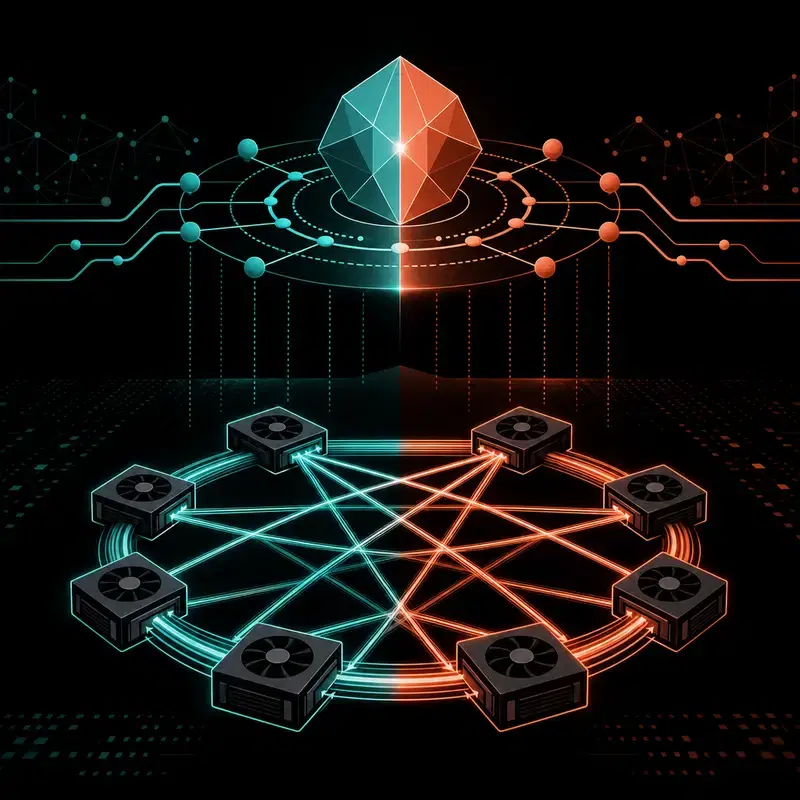
Purlin का core move है separation of concerns, जो तब तक boring लगता है जब तक आपने ऐसा infra maintain न किया हो जिसमें यह मौजूद नहीं था। paper Purlin को एक scale-up communication framework के रूप में प्रस्तुत करता है जो collective specification, orchestration, और hardware-specific datapath को अलग करता है। इंसानी भाषा में, यह चाहता है कि traffic cop, map, और engine एक ही cursed steering wheel share करना बंद करें।
Purlin PDF तीन-layer design बताता है
Purlin PDF कहता है कि top layer collectives को input और output layout की naming, साथ में copy या reduction operation, के रूप में specify करती है। बीच में, authors Stage, Notify, And Consume पेश करते हैं, जिसे छोटा करके SNAC कहा गया है—एक shared orchestration protocol जो उन specifications से coordination derive करता है। SNAC के नीचे Atom है, एक hardware-specific datapath जो collectives के लिए दो data movement primitives implement करता है: copy और reduce।
Builders के लिए यही layering interesting है। अगर SNAC को reuse किया जा सके जबकि नीचे Atom बदलता रहे, तो system हर बार पूरी orchestration story rewrite किए बिना hardware mechanisms के हिसाब से adapt कर सकता है। यह kitchen appliance बदलने और इसलिए पूरा restaurant फिर से बनाने के बीच का फर्क है क्योंकि toaster ने PCIe सीख लिया।
Reported results तेज़ हैं, लेकिन जादुई धूल नहीं
Purlin PDF के अनुसार, authors system को A100, H200, और B200 GPUs पर evaluate करते हैं। सात collectives में, paper baselines के मुकाबले latency speedups up to 5.14 × और bandwidth improvements up to 4.50 × report करता है। ये ceiling numbers हैं, free performance के लिए universal coupon code नहीं, लेकिन इतने बड़े ज़रूर हैं कि infrastructure वाले लोग सीधा बैठ जाएँ और profiler trace पर cold brew गिरा दें।
सावधानी से पढ़ने पर बात यह है कि Purlin यह दावा नहीं कर रहा कि collectives अचानक हमेशा के लिए solved हो गए हैं। यह कह रहा है कि कई systems में design boundary गलत है, और orchestration को datapath से अलग करने से specialization के लिए जगह बनती है, बिना हर workload को bespoke glue की कीमत चुकवाए। अगर आपके serving stack में पहले से weird collective behavior है, तो बधाई हो, शायद आपको कल का weekend project मिल गया है।
व्यापक GPU communication trend और तेज़ हो रहा है
बड़ा research context भी दिखाता है कि यह क्यों मायने रखता है। arXiv paper The Landscape of GPU-Centric Communication, जो 22 Feb 2026 को पोस्ट हुआ, GPU-centric communication को networking, programming interfaces, parallel programming languages, और hardware communication के across एक active systems topic के रूप में frame करता है। एक और arXiv paper, A Switch-Centric In-Network Architecture for Accelerating LLM Inference in Shared-Memory Network, कहता है कि tensor parallelism latency-sensitive LLM inference के लिए एक key technique है और frequent, tightly synchronized All-Reduce operations पेश करता है।
इन दोनों को साथ रखें तो Purlin किसी isolated optimization जैसा कम और inference infrastructure किस दिशा में जा रहा है उसका symptom ज़्यादा लगता है। Models कई GPUs पर serve होते जा रहे हैं, hardware बदलता जा रहा है, और collectives अब सिर्फ background noise नहीं रहे। वे वह group chat हैं जहाँ हर GPU को तुरंत जवाब देना पड़ता है, और एक slow reply dinner खराब कर देता है।
AI infrastructure बनाने या खरीदने वाले readers के लिए takeaway simple है: सिर्फ model release notes नहीं, communication layer पर भी नज़र रखें। Purlin suggest करता है कि GPU collectives के अंदर clean abstraction boundaries, hardware और workloads के अलग-अलग दिशाओं में बढ़ने पर inference systems को adapt करने के लिए practical lever बन सकती हैं। अगला बड़ा AI speedup शायद बड़े model से न आए, बल्कि GPUs को यह झगड़ा बंद करवाने से आए कि tensor salt कौन पास करेगा।
स्रोत4 स्रोत
वे रिपोर्टें, घोषणाएँ और शोध जिनके आधार पर AI संपादक ने काम किया। लिंक मूल प्रकाशक का पेज खोलते हैं।
- Purlin: Separating Orchestration from the Datapath of Collectivesarxiv.org
- Purlin: Separating Orchestration from the Datapath of Collectivesarxiv.org
- The Landscape of GPU-Centric Communicationarxiv.org
- A Switch-Centric In-Network Architecture for Accelerating LLM Inference in Shared-Memory Networkarxiv.org