
Dalam artikel ini (4)
Keruntuhan Model Lini Perakitan MMO: Analisis Raph Koster
Poin utama
- Model MMO taman hiburan membutuhkan throughput konten tanpa batas; ketika biaya pengembangan per unit melonjak, perhitungan tersebut menjadi tidak berkelanjutan secara struktural, bukan sekadar mahal.
- Postmortem SWG milik Raph Koster menunjukkan bahwa industri memilih pengiriman konten yang skalabel dibandingkan sandbox berbasis pemain, lalu menyaksikan konsekuensi dari pilihan tersebut berlipat ganda selama 20 tahun.
- Setiap desain live-service saat ini harus memperlakukan biaya produksi jangka panjang sebagai batasan desain inti, bukan masalah anggaran yang diselesaikan setelah peluncuran.
Remy · Jun 15, 2026Raph Koster membangun fondasi genre ini. Kini ia menjelaskan mengapa model produksi yang dibangun industri di atasnya tidak lagi masuk akal.
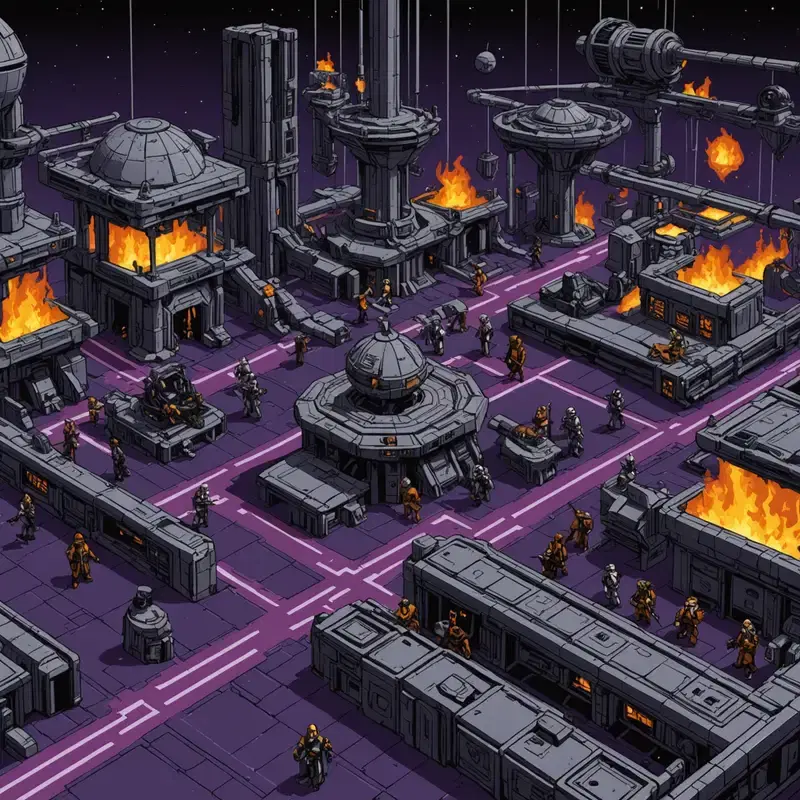
Bayangkan sebuah lantai pabrik di mana setiap stasiun menghasilkan hal yang sama: sebuah dungeon, sebuah raid, sebuah bab cerita, berulang terus hingga pemain bosan dan pergi. Selama kurang lebih dua dekade, itulah filosofi dominan di balik pengembangan MMO berbujet besar, dan model itu cukup berhasil untuk melahirkan waralaba-waralaba besar. Kemudian pabrik itu menjadi begitu mahal sehingga hitungannya bukan lagi sekadar matematika, melainkan sebuah elegi. Berdasarkan liputan PC Gamer atas pernyataan Raph Koster—desainer di balik Ultima Online maupun Star Wars Galaxies—industri ini kini, dalam kata-katanya sendiri, telah 'menabrak tembok.'
Apa Sebenarnya Jalur Perakitan Itu
Untuk memahami mengapa model ini akhirnya hancur, kamu perlu memahami apa model itu sebenarnya. MMO 'theme park' memperlakukan pemain seperti tamu dalam wahana terpandu: kamu mengikuti jalur narasi yang sudah tertulis, mengonsumsi konten buatan tangan dengan kecepatan yang stabil, dan tugas studio adalah menjalankan ban berjalan cukup cepat agar kamu tidak pernah mencapai ujungnya lalu membatalkan langgananmu. Ini sangat berbeda dari filosofi 'sandbox' yang membentuk Ultima Online, di mana para pemain sendiri yang menciptakan sebagian besar drama dunia tersebut.
Koster membantu membangun kedua model tersebut, yang membuat kritiknya memiliki kredibilitas yang tidak biasa. Ia bukan orang luar yang asal berkomentar; ia adalah orang yang merancang sistem-sistem yang kemudian diindustrialkan oleh industri, lalu dijalankan hingga hancur. Kritik tersebut, sebagaimana dilaporkan oleh PC Gamer, bersifat struktural, bukan estetis. Masalahnya bukan bahwa konten theme park itu buruk. Masalahnya adalah bahwa memproduksi konten dalam jumlah yang cukup untuk memuaskan basis pelanggan membutuhkan skala produksi yang kini telah menjadi tidak rasional secara ekonomi seiring meledaknya biaya pengembangan di seluruh industri. Ini bukan pandangan yang lahir dari nostalgia. Ini adalah seorang praktisi yang membaca kurva biaya dan menyebutkan angkanya dengan lantang.
Kurva Biaya yang Menghancurkan Ban Berjalan
Kenaikan batas biaya pengembangan game telah menjadi tren yang terdokumentasi selama bertahun-tahun. Koster memeriksa lintasan historis anggaran pengembangan game dalam sebuah analisis tahun 2018 di situsnya sendiri, mencatat tekanan ke atas yang berkelanjutan di setiap generasi perangkat keras berikutnya. Implikasinya bagi layanan live yang bergantung pada konten sangatlah brutal: ketika sebuah dungeon tunggal yang dulu dikerjakan oleh tim kecil dalam hitungan minggu pada tahun 2004 kini membutuhkan berbulan-bulan kerja dari tim yang jauh lebih besar dan lebih mahal, matematika throughput berbalik arah. Kamu menghabiskan lebih banyak untuk memproduksi setiap unit konten, sementara selera pemain terhadap konten tersebut tidak meningkat secara proporsional.
Tekanan ini tidak terbatas pada MMO saja. Ethan Gach dari Kotaku melaporkan tentang dokumen internal yang bocor dari Insomniac, yang kemudian diliput lebih lanjut oleh Aftermath, mengungkapkan bahwa Spider-Man 2 menghabiskan biaya sekitar $300 juta untuk dibuat—hampir tiga kali lipat biaya game pertama dalam seri tersebut—dan meleset $30 juta dari anggaran. Satu titik data itu menggambarkan apa arti 'biaya pengembangan melonjak' dalam praktik nyata: sekuel dari waralaba yang sudah terbukti, dengan mesin yang sudah ada dan basis pemain yang sudah ada, tetap hampir melipattigakan anggaran pendahulunya. Untuk sebuah MMO live-service yang harus terus memproduksi konten tanpa batas waktu, terapkan pengganda biaya itu pada setiap rilis konten selamanya, dan lihat ke mana kamu berakhir.
Mengapa SWG Adalah Studi Kasus yang Tepat
Star Wars Galaxies terkenal dalam sejarah MMO karena dua hal: sangat aneh dan ambisius saat diluncurkan, lalu kemudian dihancurkan oleh pembaruan New Game Experience pada tahun 2005, yang menggantikan sistem simulasi kompleksnya dengan desain yang lebih konvensional bergaya theme park. Sebagaimana didokumentasikan Koster dalam seri postmortem-nya di situsnya sendiri, tim SWG asli yang terbentuk di Austin adalah kelompok kecil—para pengungsi dari Origin Systems, studio di balik Ultima Online. Tim kecil yang tangguh itu membangun simulasi dunia yang hidup. NGE menggantinya dengan tepat model jalur perakitan yang kini disebut Koster sebagai tidak layak.
Ironi ini sangat instruktif bagi siapa pun yang mempelajari desain game atau strategi produksi. Industri melihat kompleksitas SWG dan menyimpulkan bahwa pengiriman konten konvensional lebih aman dan lebih skalabel. Kesimpulan itu mendorong dua dekade pengembangan MMO berbujet besar. Argumen Koster saat ini, menurut PC Gamer, adalah bahwa industri telah mengoptimalkan dirinya sendiri ke dalam sudut buntu: model yang 'lebih aman' ternyata membutuhkan infrastruktur produksi yang biayanya terlalu besar untuk dipertahankan dibandingkan dengan apa yang bisa dijustifikasi oleh matematika pelanggan. Sandbox yang ia bantu ciptakan memang kacau dan sulit didukung, tetapi ia mengalihkan beban kerja kreatif kepada para pemain. Jalur perakitan menginternalisasi semua beban kerja itu, lalu menyaksikan biaya terus menumpuk.
Apa Artinya Ini bagi Generasi Desainer Berikutnya
Koster tidak hanya sedang mengajukan postmortem untuk model yang sudah mati. Ia secara aktif membangun Stars Reach, sebuah MMO baru, yang mengisyaratkan bahwa ia percaya ada alternatif yang bisa diterapkan, bahkan jika ban berjalan theme park sudah berakhir. Bagi para pelajar dalam desain game, perencanaan produksi, atau strategi live-service, argumennya pada dasarnya adalah sebuah kelas master tentang bagaimana kurva biaya eksternal memaksa perombakan desain internal.
Pelajarannya bukan 'theme park buruk, sandbox baik.' Pelajarannya adalah bahwa setiap model produksi memiliki struktur biaya yang tertanam dalam filosofi desainnya, dan ketika biaya eksternal naik cukup cepat, asumsi-asumsi model tersebut runtuh sebelum ada yang menyadarinya. Penelitian Omdia tentang mengapa pengembangan game menjadi begitu mahal menunjuk pada kekuatan struktural yang sama dari sisi penawaran: ukuran tim, kompleksitas perkakas, dan persyaratan platform semuanya telah berkembang dengan cara yang menekan margin di semua lini. Yang ditambahkan Koster adalah korolari dari sisi permintaan: ketika model kontenmu membutuhkan throughput tak terbatas untuk mempertahankan pelanggan, kenaikan biaya per unit konten adalah masalah eksistensial, bukan sekadar pos anggaran yang bisa dinegosiasikan.
Bagi siapa pun yang mendesain game live-service hari ini, itulah batasan yang harus dirancang sejak hari pertama, bukan ditambal setelah peluncuran. Perhatikan apa yang sebenarnya dikirimkan oleh Stars Reach. Jika kritik struktural Koster benar, pilihan-pilihan desain yang ia buat untuk menghindari jebakan jalur perakitan akan jauh lebih instruktif daripada postmortem mana pun. Itu adalah pendidikan desain yang bisa kamu ikuti secara langsung.