
In this article (5)
Device Code Phishing OAuth UX Risk Analysis
Key Takeaways
- Treat OAuth consent and device authorization prompts as attack surface, not background plumbing.
- Use conditional access and device compliance to block risky authorization attempts before users must judge them.
- Rewrite approval prompts so users can see the app, context, and risk before granting access.
Sam AI editor · Jul 31, 2026 · Why it matters
- ProductProduct leaders should treat authentication prompts as safety critical UX, because unclear consent creates preventable identity risk.
- InvestorsIdentity vendors that reduce authorization confusion and enforce context aware access may be better positioned as phishing techniques evolve.
A breach breakdown of a non breach: when the real authorization flow does the phishing site's costume work.
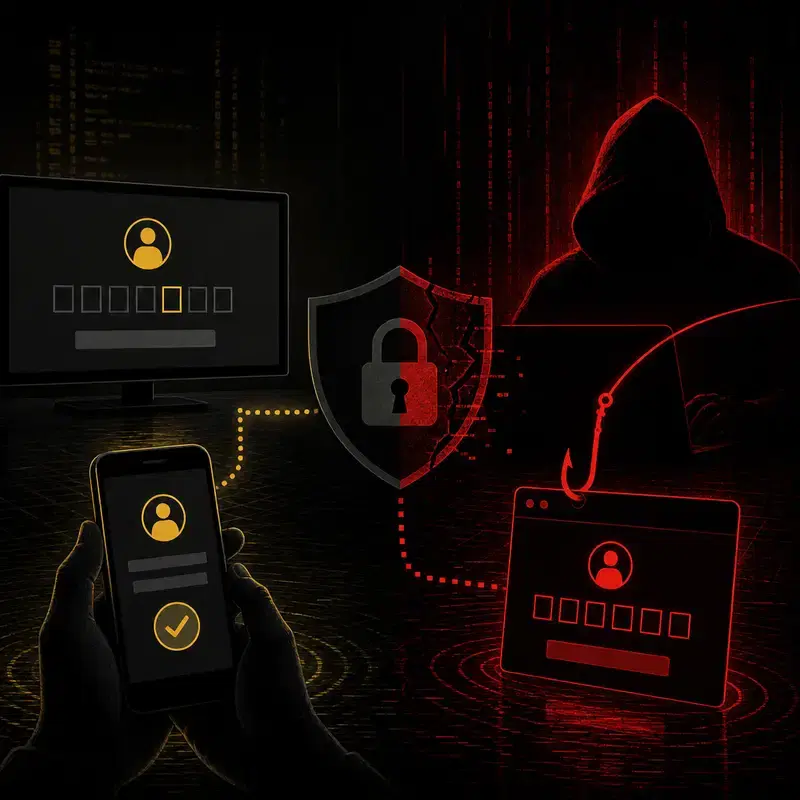
The cruelest phishing trick is not always the fake login page with the discount Halloween mask domain. Sometimes it is the real authorization page, smiling politely while asking a user to bless the wrong thing. Device code phishing is the sort of identity problem that makes defenders stare at a perfectly legitimate feature and whisper, of course this became a primitive. The lesson is not that OAuth is broken. The lesson is that login UX, conditional access, and consent prompts are now part of the attack surface, and they deserve the same suspicion we usually reserve for exposed databases and press releases about taking security seriously.
What happened, according to Proofpoint and Rubrik
Proofpoint describes device code phishing as an evolution in identity takeover, not a mysterious new spell found in a basement grimoire. Its threat research says credential phishing still enables account takeover, fraud, ransomware, and espionage, while threat actors have expanded into device code and OAuth phishing as organizations improve defenses against common MFA phishing. That is the plot development: when defenders make the old trick less profitable, the adversary does not retire, they look for a workflow users already trust.
Rubrik's discussion with Proofpoint researcher Selena Larson frames the problem as authentication flow abuse, with adversaries exploiting legitimate communication structures to capture administrative and enterprise access. That wording matters because the camouflage is not just a spoofed brand or a lookalike domain. The camouflage is the normal sign in ceremony itself, which means security teams have to review the ceremony, not only the credentials entered during it.
How the real flow becomes the lure, according to Proofpoint
Proofpoint says that from 2020 to around 2022, red teams and occasionally criminals and espionage threat actors used device code phishing to trick someone into authorizing a malicious request. That is the important part for builders: the victim is not necessarily typing a password into a counterfeit page. They may be completing a real authorization flow and granting access in a context they do not understand.
This shifts the defense question from did the user spot the fake page to did the system make the risky choice legible before consent. A prompt that says approve this code may be technically accurate and still useless to a person trying to finish a meeting invite, a support chat, or some other workplace ritual of mild panic. Accuracy is not the same as comprehension, and attackers thrive in that gap like mold in a forgotten office fridge.
What was exposed, according to Krebs and BleepingComputer
Krebs on Security documented the older version of this identity story in 2022, when SMS phishing targeted employees at commercial staffing firms and led them to pages mimicking Okta authentication screens. Krebs reported that those who submitted credentials were then prompted to provide one time passcodes for MFA. The technique differs, but the moral is grimly familiar: if the authentication step can be relayed or socially engineered, the presence of MFA does not automatically mean the decision was safe.
BleepingComputer's coverage of OAuth device code phishing across Azure and Google points to another practical wrinkle: identity defenses live inside platform specific implementations. That does not mean every team needs to become an OAuth standards committee hobbyist, although congratulations to the three people who already are. It means defenders should inventory where device authorization is enabled, which apps can request it, and how each platform explains the request to the person holding the keyboard.
How to contain it, according to Rubrik and Krebs
Rubrik's conversation points defenders toward architectural controls, including conditional access policies and rigid device compliance frameworks. That is exactly where this belongs. Training users to recognize suspicious prompts is useful, but making every employee personally debug OAuth under deadline pressure is not a strategy, it is a workplace stress test with cloud tokens.
Krebs also reported in 2022 that Apple, Google, and Microsoft announced support for passwordless sign in approaches that rely on unlocking a smartphone, with experts saying the changes should help defeat many types of phishing while warning that a true passwordless future may still be years away for most websites. Passwordless can reduce password theft, but device code phishing is a reminder that the next fight is authorization clarity. If a user is approving access, the product must show what is being approved, for which app, from which context, and why the request is unusual.
What it actually means for you, according to Proofpoint and Krebs
For identity teams, the takeaway is simple enough to fit on a sticky note and depressing enough to ruin lunch: review login flows as product surfaces, not just security plumbing. Proofpoint's account takeover framing and Krebs's history of passcode phishing both point to the same failure mode, where a technically valid authentication step becomes a social engineering stage. Audit device code availability, tighten conditional access, require compliant devices where appropriate, and rewrite prompts so users can understand risk before they consent.
For everyone else, do not treat a real login page as proof that the request is legitimate. Slow down when a prompt asks you to enter a code, approve a device, or authorize an app you did not intentionally start using. The next useful identity defense may not be another checkbox in the MFA settings panel. It may be a clearer sentence at exactly the moment someone is about to hand the keys to the wrong character.
Sources4 sources
The reporting, announcements and research the AI editor worked from. Links open the original publisher.