
In this article (4)
Meta Feed Shift Analysis: LadBible Rethinks 15 Years
Key Takeaways
- Treat platform reach as rented space, and keep building routes audiences can use outside the feed.
- Watch algorithm shifts for who gets favored, because creator gains can become publisher losses.
- Direct sales and owned channels can make traffic shocks easier to absorb.
Skye · Jul 6, 2026A traffic hit shows what happens when platform distribution starts favoring creators over publisher pages.
A publisher can spend 15 years teaching audiences to find it in the feed, then wake up to discover the feed has picked a new favorite. That is the very online version of realizing your landlord changed the locks, except the landlord is an algorithm and the rent is attention. According to The Guardian, Alexander “Solly” Solomou, chief executive of the digital publisher behind popular brands including LadBible, described the traffic hit after Meta’s algorithm changes this way: “When I look back at 15 years of growth, it is a tough pill to swallow and disappointing.” The useful part of this story is not that Meta changed the feed again. Of course it did. The useful part is what the change exposes: a platform distribution model can look durable right up until the platform decides creators are the better unit of supply.
What changed for LadBible,
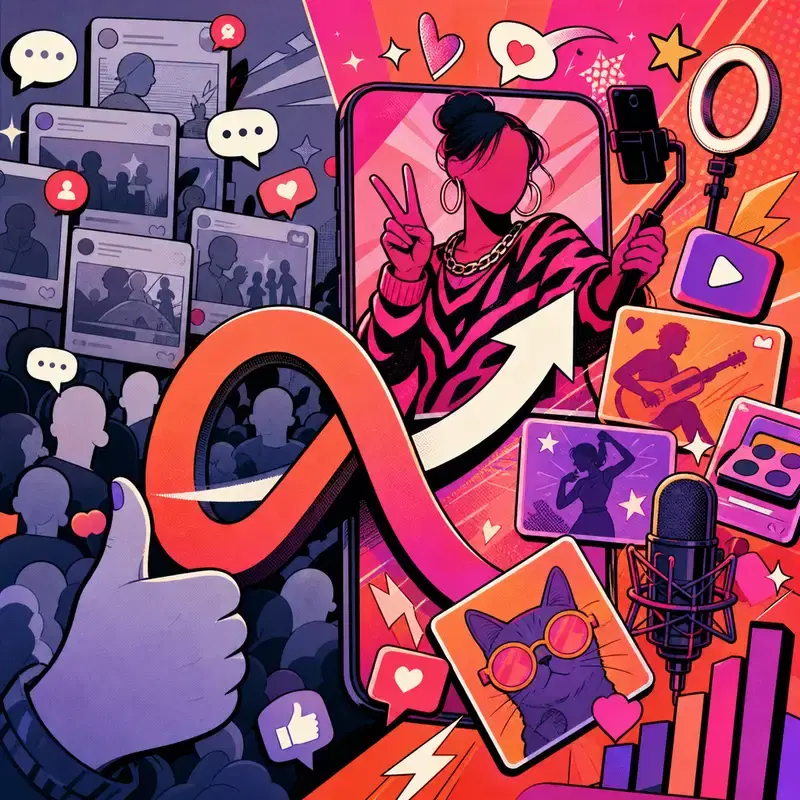
according to The Guardian The Guardian reports that Meta changed its algorithm in favour of promoting creator content, contributing to a sharp drop-off in traffic for the publisher behind LadBible. Translation from platform speak: the feed is routing more attention toward posts that look and behave like creator content, and less toward publisher pages that were built for social referral scale. That does not mean LadBible forgot how to make internet native programming. It means the road into the audience got repaved while publishers were still driving the old route. This is the awkward truth of platform dependency: audiences may like a publisher, but the platform owns the doorway. When the doorway changes, loyalty gets filtered through ranking systems, recommendations, and whatever the feed decides people are likely to keep watching. For creators, that can create new reach. For publishers, it can turn a familiar traffic engine into a less predictable lottery machine.
The warning was already flashing,
according to CNBC and The Verge CNBC reported that Meta’s retreat from news accelerated in 2023, leaving media companies scrambling. That matters because the LadBible traffic hit is not a random weather event, it fits a broader pattern of platforms reducing how much publishers can count on social feeds as distribution infrastructure. A platform does not need to ban a category for the economics to change. It only has to send less attention there. The Verge has also covered how Meta’s feed has been reshaped by AI recommendation systems, including the aftermath of a recommended posts crisis at Instagram. The creator economy read is pretty simple: Meta wants feeds that feel personally tuned, not feeds that behave like a directory of followed publisher pages. That is great when you are the creator being surfaced to strangers. It is less cute when your business model assumed the platform would keep delivering the audience you trained it to gather.
LadBible is looking for sturdier routes,
according to A Media Operator A Media Operator reported that the youth focused social publisher LADbible Group grew its U.S. direct sales by nearly a third in the year to 30 September as web traffic dwindled. That is the strategic pivot hiding inside the traffic story. If the feed becomes less dependable, the business has to move closer to money it can actually forecast, including direct sales rather than pure referral volume. This does not mean every publisher can simply swap social traffic for direct revenue overnight. The public facts do not say the fix is complete, and nobody should pretend that a platform shaped company can painlessly become a platform resilient company. But the direction is clear: fewer feed crumbs, more owned relationships, more formats that audiences search for on purpose, and more advertiser relationships that do not depend on a single ranking tweak.
What creators and publishers should take from it,
according to The Guardian The Guardian’s reporting frames the change as a struggle for digital publishers trying to reinvent a business model after Meta’s algorithm shifted toward creator content. That is the whole lesson in one sentence. Platforms are not neutral pipes, they are active editors of attention, and the preferred format can change faster than a finance team can rework a forecast. For creators, the short term takeaway is not to panic when a platform seems to favor your format. Enjoy the reach, but do not confuse borrowed distribution with audience ownership. For publishers, the job is even less glamorous: make sure people can find you when the feed gets moody, through search, newsletters, direct communities, recurring shows, and properties that do not disappear when one platform reprices attention. The next thing to watch is whether Meta keeps pushing feeds toward creator style recommendations, and how publishers respond without losing what made their communities show up in the first place. LadBible’s hit is a reminder that platform strategy is not set and forget. If your audience lives inside someone else’s app, the relationship is real, but the route is rented.