Publicis Influential Sports Infrastructure Analysis
Key Takeaways
- Treat sports influence as infrastructure, not just a celebrity endorsement.
- Ask who controls data, campaign workflow, usage rights, and audience access before valuing a sports creator deal.
- For NIL talent, scale can mean more opportunity, but contract terms decide the real upside.
 Kai · Sep 13, 2026
The new offering packages creators, athletes, NIL talent, fan intelligence, and Epsilon data for brands trying to reach sports audiences.
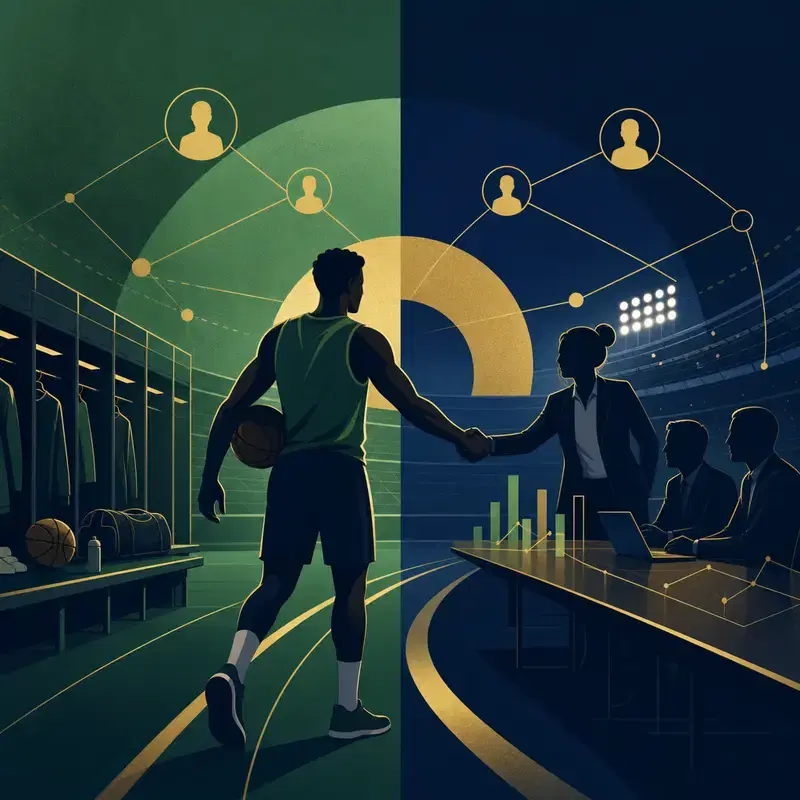
Sports marketing has always loved the celebrity handshake. The newer money is less photogenic: databases, creator rosters, and agency workflows that decide which fan community a brand should buy into. Publicis is making that quiet machinery the product with Influential Sports, a sports focused influencer offering. The athlete can still be the face. The interface belongs to the agency.
The deal Publicis is packaging MediaPost reported that
Publicis launched Influential Sports on February 9, 2026, describing it as an influencer offering designed to help brands connect with sports fans at scale. MediaPost said the offering is a joint effort from Publicis Sports and Influential, which puts the launch closer to an operating layer than a simple endorsement shop. The pitch is not just hire an athlete, post the content, and hope fandom does the rest. It is a managed route into sports audiences using Publicis owned capabilities. Sports Business Journal, citing Michael Bürgi of Digiday, reported that the new unit brings together Publicis Sports, Influential, and Epsilon data resources. It also said Publicis is putting its 2024 acquisition of creator agency Influential to use through this sports focused offshoot. That matters because the asset here is not only talent access. It is the combination of creator supply, fan intelligence, sponsorship guidance, and activation services under one agency roof. The useful read is that Publicis is productizing the messy middle of sports influence. Brands often know they want the attention that surrounds sports, but not whether the right vehicle is a league deal, an athlete, a college star, a creator, or a fan community voice. Publicis is offering to make that selection feel less artisanal and more repeatable. In agency language, scale usually means fewer custom builds and more reusable machinery.
The inventory is not just athletes Sports Business Journal reported that
Influential Sports will tap creators, athletes, NIL talent, and sports culture influencers. That mix is the tell. Athlete fame is valuable, but it is not the only inventory in sports culture, and it is often not the cheapest or most targeted. NIL talent and niche creators can reach communities that a national rights package may brush past. Sports Business Journal also reported that Publicis Sports provides intelligence on fan bases and guidance on sponsorships, while Epsilon data helps add more deterministic data power to creator led marketing. Translation: the agency wants to sell sports influence with a data spine, not just a famous face and a mood board. Fans are not being treated as one giant crowd in matching jerseys. They are segments, behaviors, and communities that can be paired with different kinds of messengers. The money question for athletes and creators is whether this kind of infrastructure improves their leverage or standardizes it away. A bigger marketplace can surface more opportunities, especially for NIL talent and creators outside the obvious star tier. It can also make talent easier to compare, swap, and package. Culture sells the vibe, but procurement likes a spreadsheet.
Where the upside sits Digiday reported on February 10, 2026, that Publicis
formed the new Influential Sports squad to sharpen its creator and sports marketing capabilities. Sports Business Journal added that Influential CEO Ryan Detert said clients have been approached, though he did not identify them. SBJ also reported his view that FMCG, consumer electronics, retail, automotive, and technology clients are actively looking to work with Influential Sports. That client list explains the agency logic. These are categories that regularly want the heat of sports without necessarily building an entire campaign around a single official sponsorship. Influential Sports gives Publicis a way to package audience access, creator selection, and activation expertise for marketers that need sports relevance across many campaigns. The upside Publicis controls is the client relationship, the data layer, and the workflow that turns influence into a managed service. For athletes, NIL talent, and creators, the fine print still decides the quality of the deal. Guaranteed compensation, content usage rights, exclusivity, approval rights, and paid amplification terms determine whether a personal brand is compounding or merely being rented. The launch materials in the cited reports focus on the offering and its market, not on individual talent economics. That is normal for an agency announcement, and it is exactly why talent should read the paperwork slower than the press release.
What brands should watch next MediaPost framed Influential Sports
as a way for brands to connect with sports fans at scale, while Sports Business Journal reported that Influential can tap some 15 million creators. Scale is attractive, but scale is not a strategy by itself. The brands that use this well will know whether they are buying athlete credibility, creator intimacy, NIL locality, or broader fan community reach. Those are different assets, even when they sit in the same agency deck. The next signal to watch is not the launch language. It is which named brands surface, how campaigns are structured, and whether athletes and creators retain meaningful control over their own identity and audience. Publicis has put sports fandom into a more industrial package. Readers should watch who gets paid like scarce talent, who gets treated like inventory, and whether the system makes sports marketing smarter rather than just easier to buy.