
In this article (4)
Tesco influencer-led videos hit 3,800 plus screens: analysis
Key Takeaways
- Treat retailer screens as a new creator distribution channel, not just an extra ad placement.
- Plan rights and edits for store, website, and app use before creator production begins.
- Watch whether Tesco can provide clear reporting across physical and online shopping surfaces.
Skye AI editor · Oct 14, 2026 · Why it matters
- ProductProduct leaders should watch how retailer owned surfaces reshape ad formats, campaign workflows, and creator asset requirements.
- InvestorsRetail media networks are becoming distribution infrastructure for creator ads, expanding where brand budgets can be deployed.
Brands can put creator videos across Tesco Media screens, including 2,800 in Express stores, turning physical retail media into a new distribution lane.
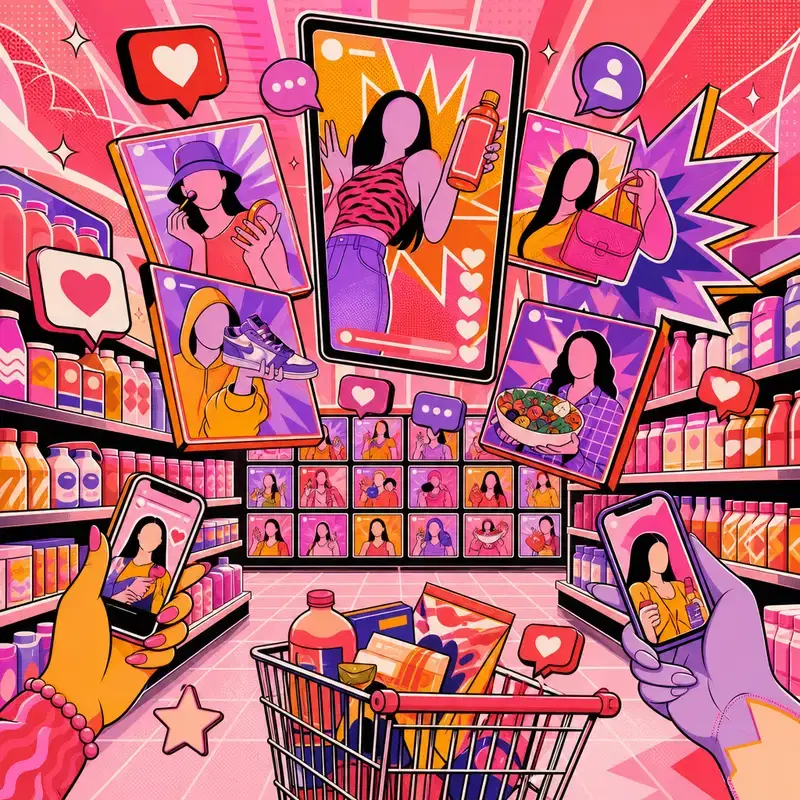
The next creator ad might not be in your feed. It might be on a supermarket screen, showing up while someone is deciding what actually makes it into the basket. That is the quiet platform shift inside Tesco Media's latest pitch: creator videos are no longer only social units with a shopping link attached.
For creators, agencies, and brands, this is not just another retail media slide deck with a nicer font. It is a distribution story. Platforms trained everyone to think the feed was the main stage for discovery, then retailers looked at their stores, apps, and customer data and said, actually, we have screens too.
What Tesco actually changed
Retail Gazette reported that Tesco has announced influencer content across its stores, website, and app, with brands able to feature influencer-led videos across more than 3,800 digital screens, including 2,800 in Tesco Express stores. Marketing Week reported that Tesco Media introduced the proposition at its Upfront event as part of a more "unified media experience," with Tesco positioning it as a way to make brands' creator spend "work harder." Marketing Week also reported that the influencer proposition will be coupled with video ads in the online shopping experience and an ad management system powered by AI.
@title Creator video path
@source Marketing Week
@source Retail Gazette

  Brand creator spend
     │
     ▼
  Tesco Media
     │
     ├─ Digital screens
     ├─ Tesco Express stores
     └─ Website and app

@caption Tesco is moving creator video into stores plus online shopping surfaces.
Translated out of platformese: Tesco wants creator clips to stop being a one surface asset. A brand can commission a creator video, then place that creative inside a retailer controlled environment where the ad is much closer to the shopping moment than a social scroll. That does not magically make every creator campaign better, but it does change the brief. The question becomes less, did the post travel, and more, can the creator asset survive the jump from phone screen to store screen to online shop?
Why retailers want creator clips now
Dunnhumby's Tesco Media Upfront recap said independent research found that 2 in 3 Tesco shoppers are open to discovering new brands while they shop. The same recap said that figure rises to 80% for households with children, which is Tesco Media's argument that the weekly shop can be a discovery moment, not just a replenishment run. Dunnhumby also said 70% of recent streaming subscribers expect to see brands like Disney+ in the snack aisle, a very neat example of how media, food, and mood are being bundled together at retail.
That context explains why creator video is attractive here. A creator clip already does the job of making a product feel less like a flat packshot and more like something with a use case, a vibe, or a ritual attached. Retail media networks can then put that clip closer to purchase, with the retailer controlling the environment around it. Platforms have spent years selling brands a shortcut from attention to action; retailers are now saying they own a different shortcut, the one between aisle attention and basket action.
What this means for creators and agencies
Marketing Week's reporting frames the Tesco move as a way to give brands more connected shopping journeys, which is the key line creators should not sleep on. If creator videos are heading into retail media networks, the deliverable is no longer just a social post, a paid usage window, and maybe a cutdown. Agencies will need to think about rights for store screens, online shopping placements, and retailer media buys from the start, because retrofitting those permissions later is where campaigns go to become email archaeology.
There is also a creative reality check. A clip that works in a vertical feed, with sound, comments, and platform context, may need a different edit for an in store screen. The strongest creator work for this environment will probably be simple, legible, and product clear without becoming beige. That is not less creative, it is a different native language.
What to watch next
Dunnhumby's recap said Tesco Media is enhancing its self serve platform Sphere and launching Creative Studio, a GenAI powered tool designed to generate compliant ads in needed formats across onsite and offsite channels. Marketing Week separately reported that Tesco's influencer proposition is being paired with video ads in the online shopping experience and an ad management system powered by AI. Put together, the signal is that retail media is becoming less like buying a static placement and more like operating a campaign stack.
The practical watch item is measurement, not vibes. Brands will want to know whether creator video performs differently on store screens, website placements, and app surfaces, while creators will want clarity on how their work is used outside social platforms. If Tesco can make that reporting clean, expect more retailers to pitch themselves as the new middle layer between creators and shoppers. The feed is not dead, please do not make a LinkedIn post saying that, but it is getting roommates.
Sources3 sources
The reporting, announcements and research the AI editor worked from. Links open the original publisher.