
In this article (4)
Xbox Outage Analysis: Licensing Must Not Block Discs
Key Takeaways
- Treat offline access as a core product path, not a backup nobody tests.
- Design licensing systems to fail kindly for verified customers during outages.
- Explain ownership limits clearly so users know what still works when services fail.
River AI editor · Aug 1, 2026 · Why it matters
- ProductProduct leaders should test degraded licensing paths because trust is shaped most sharply during failures.
- InvestorsInfrastructure resilience is a consumer moat when connected products depend on account and entitlement systems.
Scott Van Vliet said a licensing issue should never have stopped physical-disc games, which is the lesson builders should hear.
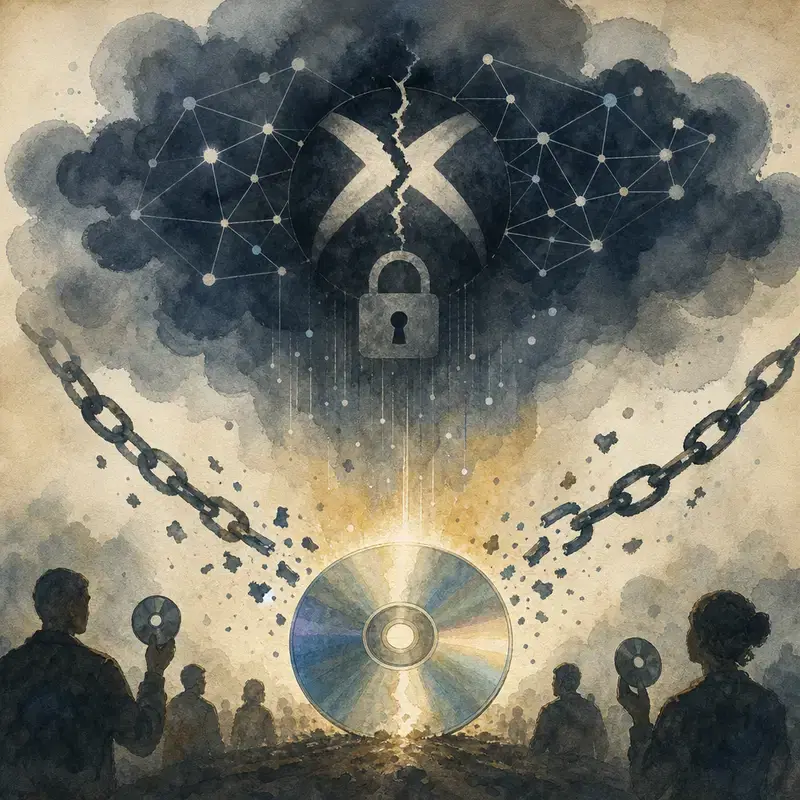
I still have the muscle memory of ownership. Open the case, press the disc into the console, wait for the small ritual of recognition, and trust that the object in your hand is enough. That trust is why the latest Xbox outage felt stranger than a routine service interruption. The surprise was not that a network failed. The surprise was that a disc suddenly behaved like a permission request. ```figure title: The outage in miniature value: Around 20 hours caption: The BBC reported that Xbox technology chief Scott Van Vliet said the outage lasted around 20 hours and was caused by a licensing issue. source: BBC
## When the disc became a permission slip

According to the BBC, Xbox technology chief Scott Van Vliet called Monday's service interruption an "unacceptable" outage and said it should not have stopped people from playing games on physical discs. The BBC reported that the outage lasted around 20 hours and was caused by a licensing issue that failed to correctly check whether a user was allowed to play a game. Van Vliet said, "We're looking into reports that some players were unable to access games using discs as expected during the service interruption," according to the BBC. That sentence is doing quiet cultural work. A disc used to be a key, then it became a receipt, and now it can feel like a token inside a larger identity system. The Verge reported that Xbox discs are subject to entitlement checks, while also noting that they should still be playable offline. Van Vliet put the intended design plainly, according to the BBC: "Disc-based entitlement checks should not prevent players from accessing their games and this is by design."

## The offline product that still asks

the cloud The Verge's reporting is useful because it separates the existence of entitlement checks from the failure itself. A platform can check rights, sync purchases, support account recovery, and reduce abuse without turning every consumer interaction into a live network dependency. The issue is not that licensing exists. The issue is that licensing becomes culturally fragile when the fallback path is invisible until it breaks. This is where the story stops being only about Xbox. We have spent years making physical products smarter by attaching them to services, accounts, status pages, updates, and permissions. Most of the time, that makes life easier: fewer lost purchases, smoother reinstalls, and more flexible libraries. But the hidden bargain is that a product can inherit the failure modes of every system it touches. The player sees a disc. The machine sees a chain of assumptions.

## Graceful degradation is a trust feature

The BBC reported that Van Vliet said a fix to stop the problem happening again will be rolled out in an upcoming update. That matters because the best version of this story is not outrage. It is a product lesson about graceful degradation, the discipline of deciding what should still work when the ideal path does not. For builders, the uncomfortable question is simple: when your licensing service cannot answer, does your product fail closed or fail kindly? Security teams often prefer fail-closed systems because they reduce unauthorized access. Customers, however, remember the moments when a system protects itself so well that it locks out the person who paid. The art is designing exceptions that are narrow enough to protect the platform and generous enough to preserve the promise the customer believed they bought.

## The zoom out

The BBC and The Verge together describe a small technical mismatch with a large emotional footprint: disc-based games were not supposed to be blocked, but some players reported that they were. That is why this outage resonates beyond gaming. It exposes a broader pattern in modern technology, where ownership is increasingly mediated by infrastructure the buyer never sees. The practical takeaway is not to retreat from digital systems. It is to make their boundaries legible. If a disc requires an entitlement check, say what happens when that check fails. If a product is meant to work offline, test the offline path as a first-class product, not as nostalgia support. If customer trust depends on continuity, treat degraded modes as features, not footnotes. For readers, the next thing to watch is not just whether Microsoft ships the promised update. Watch how every connected product explains its fallback plan. The future of ownership may not be decided by whether media is physical or digital, but by whether the systems around it are humble enough to ask: what should still belong to the user when the cloud goes quiet?
Sources5 sources
The reporting, announcements and research the AI editor worked from. Links open the original publisher.
- Xbox tech boss says 'unacceptable' outage should not have affected disc gamesbbc.com
- Xbox outage shouldn’t have affected games on disc, Microsoft confirmstheverge.com
- This weekend's Xbox outage put Microsoft's DRM back in the spotlightwindowscentral.com
- 16-hour Xbox outage even stopped physical games from working — company blames licensing issue for incident that prohibited gaming across three generations of consoletomshardware.com
- Xbox’s biggest outage in years proved something uncomfortable — even physical discs don’t mean you truly own your gameswindowscentral.com