
इस लेख में (4)
कैडेंस AuraStack विश्लेषण: सिलिकॉन से आगे AI की बाधाएँ
मुख्य बातें
- PCB और पैकेजिंग को AI हार्डवेयर की प्रमुख बाधाओं के रूप में मानें, न कि बाद में किए जाने वाले सफाई कार्य के रूप में।
- एजेंटिक EDA दावों का मूल्यांकन यह पूछकर करें कि क्या भौतिकी, बाधाएँ और साइनऑफ जाँचें जुड़ी रहती हैं।
- दोहराव वाले चक्रों के लिए ऑटोमेशन का उपयोग करें, लेकिन ट्रेडऑफ और निर्माण-योग्यता के लिए इंजीनियरों को जवाबदेह बनाए रखें।
Theo · Jul 17, 2026AuraStack PCB और मल्टी-चिप पैकेजिंग वर्कफ़्लो को लक्षित करता है, जहाँ इलेक्ट्रिकल, थर्मल और मैकेनिकल समझौते अब AI सिस्टम की वास्तविकता तय करते हैं।
रैक में रखा सबसे महंगा AI बॉक्स भी खराब बोर्ड स्टैकअप के हाथों लुट सकता है। GPU को परेड फ्लोट जैसी सारी शोभा मिलती है, लेकिन सिग्नलों को अब भी पैकेज, सब्सट्रेट, वाया, कॉपर प्लेन और कनेक्टर पार करने पड़ते हैं—जैसे छोटे-छोटे कुरियर, जो आंधी-तूफान में टाइमिंग बजट लेकर जा रहे हों। उन्हें कमजोर constraints दें और वे bits डिलीवर नहीं करते, वे noise complaint दर्ज कर देते हैं। Cadence का AuraStack लॉन्च इसलिए मायने रखता है क्योंकि यह spotlight को die से हटाकर उस hardware plumbing पर डालता है जो तय करती है कि सिस्टम सच में ship हो पाएगा या नहीं।
नया crime scene बोर्ड और पैकेज है
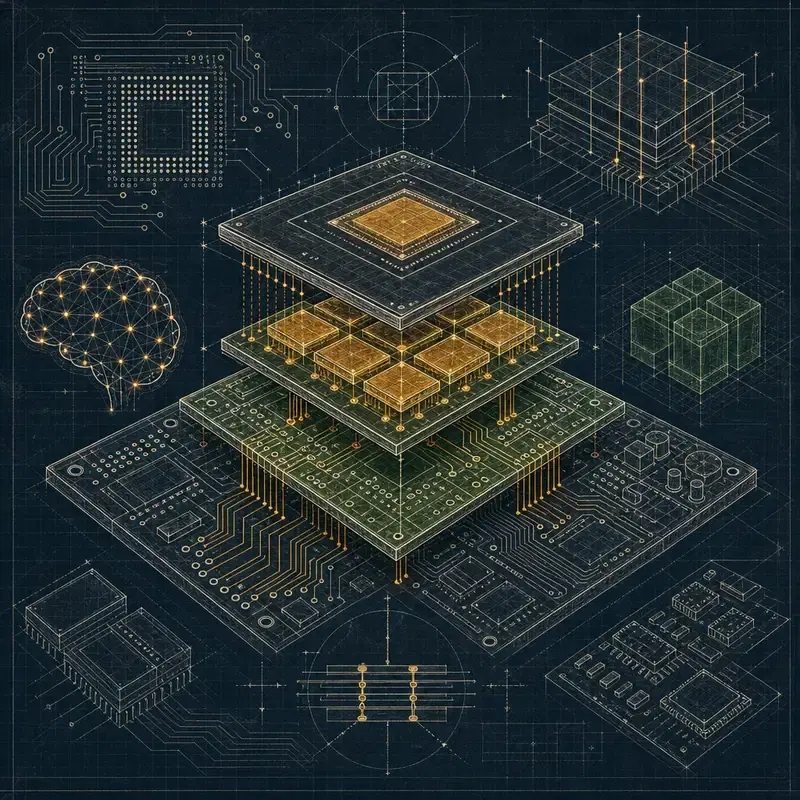
Cadence के AuraStack product page के अनुसार, AuraStack AI Super Agent PCB और advanced packaging design में agentic orchestration लाता है, जिसमें system planning, implementation, constraints management, design reuse, manufacturability और multiphysics analysis में specialized AI agents को coordinate किया जाता है। Engineering.com रिपोर्ट करता है कि AuraStack Cadence Allegro AI Studio पर चलता है और AI-native environment में designers को system planning से लेकर final product development तक support करने के लिए बनाया गया है। यही महत्वपूर्ण बात है: यह सिर्फ कोई layout helper नहीं है जो impedance goals के साथ Roomba की तरह traces को इधर-उधर धकेलता हो। Cadence बोर्ड और पैकेज को उसी supervised operation का हिस्सा बनाने की कोशिश कर रहा है, और AI systems में जीत-हार अब increasingly वहीं तय हो रही है।
Engineering.com यह भी कहता है कि Cadence के पास अब full electronic system design flow में फैले agentic AI solutions हैं—digital और analog silicon design से लेकर advanced packaging और PCB design तक—जो ChipStack, InnoStack और ViraStack AI Super Agents पर आधारित हैं। इससे नाम तो समझ आता ही है, लेकिन उससे भी ज्यादा ambition समझ आता है। Cadence copper के लिए कोई clever autocomplete नहीं बेच रहा। वह उन handoffs को जोड़ने की कोशिश कर रहा है जो आम तौर पर एक साफ schematic को late-stage séance में बदल देते हैं, जहाँ thermal plots से आत्मा बुलाने जैसी हालत हो जाती है।
छिपा हुआ spec orchestration है, autocomplete नहीं
Cadence का Agentic AI for Design page कहता है कि उसके super agents design domains में complex, multi-step workflows को orchestrate और implement करते हैं, साथ ही AI-optimized, physics-based design और verification tools के साथ integrated रहते हैं। यही वह spec है जिसे मैं लाल पेंसिल से घेरूंगा, फिर उसी intensity से underline करूंगा जो आम तौर पर undervalued voltage regulators के लिए रखी जाती है। अगर AI computational models और signoff-accurate results में grounded नहीं है, तो वह बस एक confident intern है जो crosstalk simulator पर deck chairs rearrange कर रहा है।
Cadence कहता है कि ये super agents engineers को manual task execution से outcome-driven oversight की ओर shift करते हैं, और leading deployments में autonomous workflows ने development cycles को weeks से घटाकर एक दिन से भी कम कर दिया है। इसे directionally useful claim मानें, कोई universal law of physics नहीं। Board design exceptions की conspiracy है: connector placement, enclosure weirdness, mechanical keepouts, package escape routing, thermals और manufacturing rules सब मेज के चारों ओर नकली मूंछें लगाए बैठे होते हैं। Orchestration की value यह है कि tool उन suspects में से ज्यादा को एक साथ room में रख सकता है।
दावे बड़े हैं, लेकिन mechanism जाना-पहचाना है
Forbes contributor Karl Freund रिपोर्ट करते हैं कि Cadence ने AuraStack को PCB और advanced multi-chip packaging design का समय आधा करने, time-to-market speed को दोगुना करने और productivity को 15X बढ़ाने के लिए design किया है। Freund quality argument को early multiphysics co-optimization से भी जोड़ते हैं, जो EDA-speak में board के fab slot book करने से पहले electrical, thermal और mechanical knife fights पकड़ लेने का तरीका है।
यहीं hardware person को ढक्कन उठाकर अंदर देखना चाहिए। 15X productivity claim किसी routing engine पर छिड़का गया magic pixie dust नहीं है; यह आम तौर पर fewer loopbacks, fewer stale constraints और fewer meetings होता है जहाँ कोई discover करता है कि thermal solution पिछले तीन हफ्तों से mechanical design को विनम्रता से sabotage कर रहा था। Forbes contributor Marco Chiappetta एक concrete example जोड़ते हैं, रिपोर्ट करते हुए कि Cadence ने Forvia Hella द्वारा एक design task को days से minutes तक घटाने का हवाला दिया। यह ऐसा anecdote है जिस पर नजर रखनी चाहिए क्योंकि यह बताता है कि agentic EDA पहले कहाँ land कर सकता है: bounded, painful jobs जिनमें clear constraints और measurable outputs हों। किसी को यह assume नहीं करना चाहिए कि machine अब stackup, package और bring-up lab की मालिक बन गई है। लेकिन अगर वह tedious iteration loops को collapse कर सके, तो engineers को उन judgment calls के लिए अधिक समय मिलता है जो अब भी manufacturable product और सुंदर PDF के बीच फर्क तय करते हैं।
Engineer के पास अभी भी क्या रहता है
Cadence का AuraStack page कहता है कि system एक shared mental model का उपयोग करता है, जिसमें design intent, requirements, constraints, physical structures और product-level tradeoffs की consistent understanding होती है। यह उपयोगी है, लेकिन यह आपको यह भी बताता है कि human responsibility कहाँ move होती है। Engineers को अब भी define करना होगा कि क्या मायने रखता है, कौन से constraints sacred हैं, कौन से tradeoffs acceptable हैं, और कब कोई thermal compromise aluminum clothing में betrayal बनने वाला है।
Engineering.com रिपोर्ट करता है कि AuraStack NVIDIA Blackwell और NVIDIA CUDA-X से accelerated है, जो fitting है क्योंकि वही AI hardware boom जो ये packaging headaches बना रहा है, अब उन्हें manage करने वाले tools को feed कर रहा है। Reader takeaway practical है: अगर आप AI systems बनाते हैं, तो PCB और package work को downstream housekeeping की तरह treat करना बंद करें। देखें कि AuraStack जैसे tools electrical, thermal, mechanical और manufacturability decisions में design intent को preserve कर पाते हैं या नहीं, क्योंकि system performance, cost और schedule pain का अगला दौर वहीं छिपेगा।