College Jersey Patches Tracker: NCAA Deal Breakdown
Key Takeaways
- Treat jersey patches as scarce media inventory, not a novelty logo placement.
- Check guarantees, postseason rules, and sponsor conflicts before valuing a patch deal.
- Separate school controlled uniform ads from athlete NIL rights when reading sponsorship announcements.
 Kai · Sep 6, 2026
NCAA approval lets Division I teams sell up to two small uniform patches beginning Aug. 1, and the first pricing signals are not small.
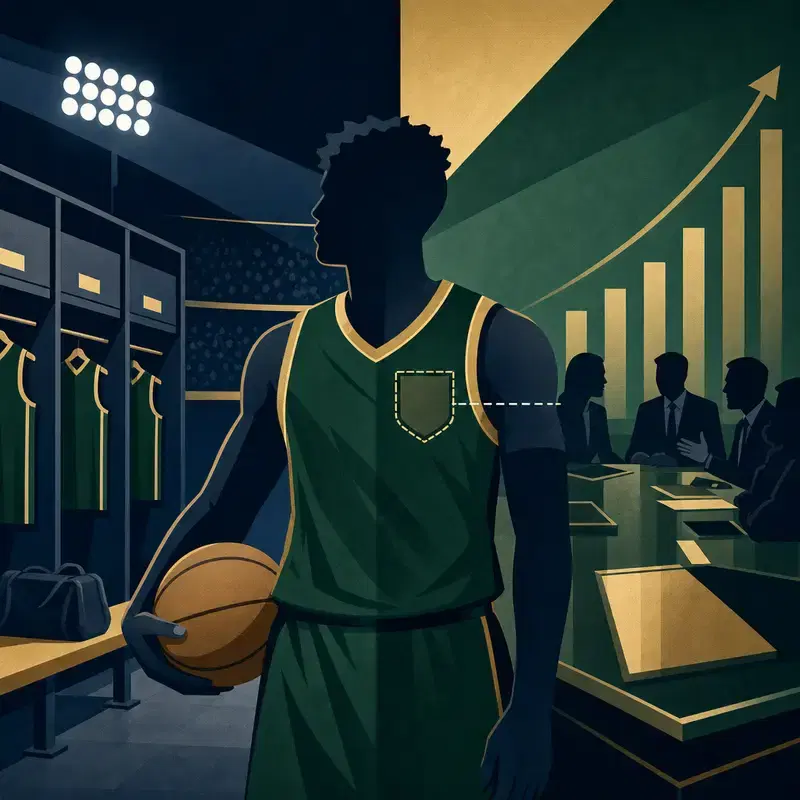
A college jersey used to sell the school first, the apparel company second, and memory forever. Now it can also sell a small rectangle to a corporate sponsor, which is less romantic but easier to invoice. The useful lesson is not that uniforms are suddenly commercial. They already were. The lesson is that athletic departments have found a scarce piece of physical inventory that travels through broadcasts, highlights, photos, and campus merchandise culture without needing a new app.
The asset: small fabric, real distribution
ESPN reported that NCAA Division I leaders approved uniform patches, allowing teams beginning Aug. 1 to place up to two patches of no more than 4 square inches on uniforms for regular season games. Those patches are in addition to the uniform manufacturer logos already allowed, according to ESPN. In plain English, this is not a replacement asset. It is a newly permitted ad unit on one of the most watched surfaces in college sports. The scarcity is doing most of the selling. A sideline board can be missed, skipped, cropped, or blocked by a mascot with a suspiciously busy schedule. A patch sits on the athlete, in the camera frame, in the photo archive, and on the clip package. That does not make every patch worth the same amount. It means the inventory has a cleaner argument for why a sponsor should pay for it.
The seller: athletic departments are moving before
the ink dries Sports Business Journal reported that LSU officials were making room on uniforms for jersey patch sponsorships, with the school preparing patched football, basketball, and baseball jerseys for potential corporate sponsors before NCAA approval. That is the part of the deal breakdown that matters. The asset was not discovered after the rule change. It was already being modeled, mocked up, and shopped. SBJ also described the exercise as a way to get ahead of a marketing asset that could be worth millions. That is careful language, and it should be read carefully. Potential value is not guaranteed cash, and a school with premium football visibility is not selling the same exposure as every other program. The patch market will be less like a rate card and more like media rights in miniature: audience, sport, sponsor category, and institutional leverage all matter.
The price: the ceiling is loud, the contract details are quieter
ESPN, citing Sports Business Journal reporting, said research has shown college football and basketball teams could earn between $500,000 and $12 million for their patches. ESPN also noted that some NBA teams make eight figure sums selling parts of their uniforms to advertisers. That comparison is useful, but only if nobody pretends college inventory is automatically priced like NBA inventory. The school brand, the sport, the schedule, and the postseason visibility question all sit between the headline number and the check. Sportico previously framed jersey patch sponsorships as a major revenue opportunity for colleges, noting that the NBA had already shown how uniform ads can open a new commercial line. The practical takeaway for sponsors is simple: ask what exposure is guaranteed, where the logo can appear, and what happens when the team enters a postseason event with separate sponsor rules. ESPN reported that rules committees for March Madness, the College World Series, and other playoff tournaments will decide how to handle patches, with attention to conflicts involving NCAA sponsors. That is not a footnote. It is where a premium asset can lose some of its shine.
The athlete question: visibility is not
the same as participation The University of Arkansas paper on NCAA revenue sharing described corporate jersey patch sponsorships as one way athletic departments are exploring new revenue sources. That framing matters because patch revenue is institution first. The athlete is the moving billboard, but the deal described in the public rule change is about athletic department inventory, not a personal endorsement by the player wearing the uniform. That distinction will get blurry in the marketing copy, because blur is useful when selling. A sponsor wants proximity to the athlete, the team, the school, and the fan base all at once. But those are different rights. Athlete NIL, school marks, broadcast exposure, and uniform placement do not magically become one clean bundle because they share a camera shot. If a brand wants the athlete’s personal brand, that is a separate business question from buying a school controlled patch.
What to watch next: normalization, not novelty
KVUE, carrying Associated Press reporting, said athletic departments can begin cashing in on uniform sponsorship patches on Aug. 1 after NCAA Division I leaders approved them. Once the first wave becomes visible, the debate will probably move from whether patches belong on jerseys to which brands get the best placements and which schools underpriced the asset. That is how new sports inventory tends to mature. First it looks odd, then it looks inevitable, then the only argument left is who kept the upside. For readers building products, buying sponsorships, or studying athlete business, the jersey patch market is a useful case study in monetizing scarcity. Watch the guarantees, not just the logo reveal. Watch postseason treatment, not just regular season placement. And watch whether schools keep this as athletic department revenue or start building clearer connections to athlete compensation, because the fabric is small, but the incentives around it are not.