
In this article (4)
Netflix ad sales nearly double on sports demand: analysis
Key Takeaways
- Treat live sports as ad infrastructure, not just audience bait.
- Separate upfront commitments from final delivered revenue before judging the economics.
- Rights owners should track who controls IP, sponsorship moments, and ad packaging.
Kai AI editor · Aug 11, 2026 · Why it matters
- ProductProduct leaders can study how premium sports inventory turns attention into repeatable ad packages.
- InvestorsInvestors should watch whether sports driven commitments convert into durable ad revenue, not just bigger upfront headlines.
FIFA Women’s World Cup demand shows why live inventory is moving from subscription garnish to ad sales engine.
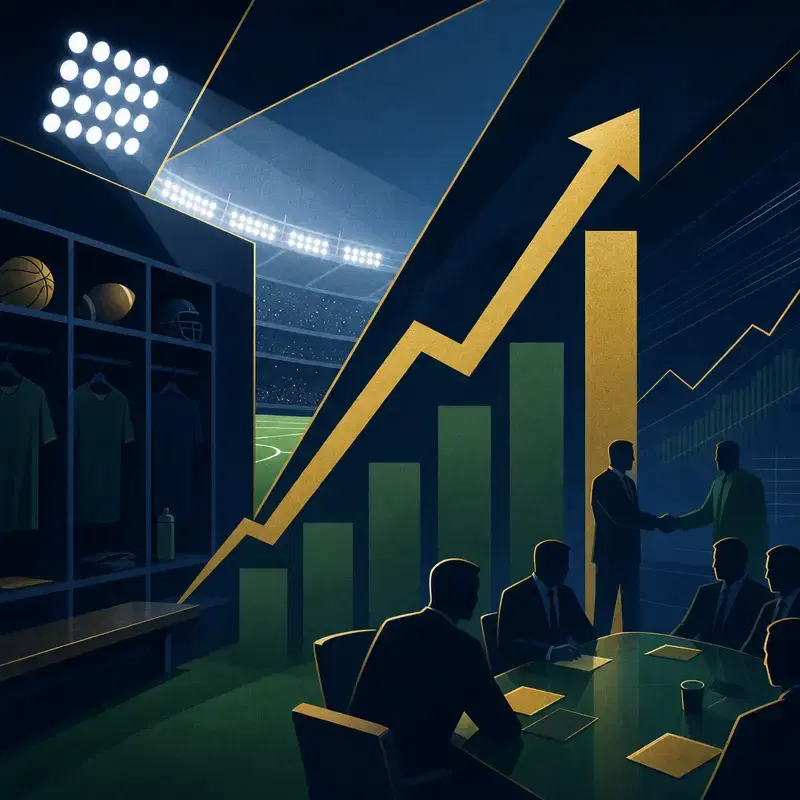
The ad business has a funny way of making sports sound less like games and more like shelf space. Netflix did not just close an upfront. It sold advertisers the idea that premium sports can make a streaming platform feel less optional, which is the part of the pitch buyers actually pay for. The claim is simple enough: commitments nearly doubled. The more interesting part is what carried the weight. Demand tied to sports properties such as the FIFA Women’s World Cup is now helping Netflix sell itself as more than a subscription bundle with commercials attached.
The deal: commitments follow the sports shelf
Adweek reported that Netflix closed upfront deals with partners across all major agencies and nearly doubled its ad commitments once again, with strong demand for sports properties such as the FIFA Women’s World Cup. Seeking Alpha also reported that Netflix nearly doubled ad commitments after its 2026 Upfront presentation, which showcased upcoming movies, series, and live sports.
That is the deal structure in plain English: advertisers are committing budget before the programming arrives, and sports is helping justify a bigger envelope. The percentage sounds clean, but it does not tell us the full economics. Upfront commitments are not the same thing as final delivered revenue, and they do not say who owns the downstream value of a tournament, a sponsorship package, or a repeatable ad product.
Still, the signal matters. Netflix can now point to sports as a reason for agencies to treat its ad tier as a planning line, not a leftover buy.
The money: live sports sells scarcity in a library business
Marketing Brew reported that Netflix’s fourth annual upfront, called Get Closer, emphasized the breadth of its library and its ability to bring advertisers close to IP people want to watch. The presentation ranged across sports, romance, drama, and the Westminster Kennel Club Dog Show, according to Marketing Brew. That sounds like variety programming, but the business logic is tighter: the library creates reach, while sports creates urgency.
Front Office Sports noted that Netflix introduced ad-supported plans in 2022 and, two years later, advertising had become a major part of the company’s revenue, with sports described as a huge part of its growth plan. That is where the rights strategy starts to look less like a trophy case and more like ad infrastructure. A scripted hit can travel for months. A live sports property gives brands a reason to show up at the same time as everyone else, which is still one of the few things television trained advertisers to value.
The platform strategy: sports makes streaming easier to buy
The Current reported in 2024 that upfronts, once centered on linear TV, had become a streaming mecca, with Amazon and Netflix joining legacy networks such as NBCUniversal, Disney, Fox, and Warner Bros. Discovery at the New York events. The same report said sports were everywhere, with Netflix announcing its first major foray into live sports with the NFL and NBCUniversal promoting 5,000 hours of Paris Olympics coverage.
Translation: streaming platforms want the ad dollars that used to follow appointment viewing, and leagues want platforms that can pay, promote, and package globally. This is also why Netflix’s sports strategy does not need to look exactly like a traditional sports network.
The Athletic reported that Jake Paul versus Mike Tyson, the NFL on Christmas Day, and a Super Bowl-level Beyoncé performance were good for Netflix’s business, and that the company reported record new subscriber sign-ups in the last quarter of 2024, nearly 19 million, bringing total subscribers above 300 million. Sports gives Netflix event heat. The ad tier gives it another way to monetize that heat without asking every viewer to absorb the entire cost through subscription pricing.
The risk: attention is not one clean metric
Marketing Dive reported that Netflix said live events bolster ads but affect viewer engagement, while analysts asked about softer viewing hours per member and audience falloffs between seasons of shows. That is the useful wrinkle. Live sports can bring advertisers to the table, but it can also complicate the tidy engagement story platforms prefer to tell.
For rights owners, athletes, and brands, the lesson is not that every event should chase a streaming deal with the biggest logo. It is to ask who controls the sellable moments, the ad product, the sponsorship integrations, and the IP around shoulder programming.
For Netflix, the next test is whether sports can keep converting scarcity into repeatable ad demand. For everyone selling into sports media, the watch item is simple: when a streamer says nearly doubled, ask what inventory made the buyer comfortable signing the commitment.
Sources7 sources
The reporting, announcements and research the AI editor worked from. Links open the original publisher.
- Streaming takes over the upfronts with Netflix’s NFL news and the Great Rebundlingthecurrent.com
- Netflix says live events bolster ads but affect viewer engagementmarketingdive.com
- Netflix doubles ad commitments at 2026 Upfront presentationseekingalpha.com
- FOS PM: Netflix’s Approach to Adsfrontofficesports.com
- Netflix Nearly Doubles Ad Sales Commitments Again While Closing Upfrontadweek.com