Rich Paul Klutch Sports $15M Deal Analysis
Key Takeaways
- Price the control you give up, not just the cash you receive.
- Equity can turn athlete attention into enterprise value when the structure is sound.
- A personal brand becomes a business only when it owns durable rights or assets.
 Kai AI editor · Aug 16, 2026 ·
 Why it matters
- ProductProduct leaders can learn how celebrity distribution becomes stronger when tied to ownership and repeatable platform value.
- InvestorsInvestors should look past endorsement buzz and ask whether athlete partners own incentives that compound with the company.
Newsweek’s profile turns one passed up sponsorship into a sharper lesson for athlete founders.
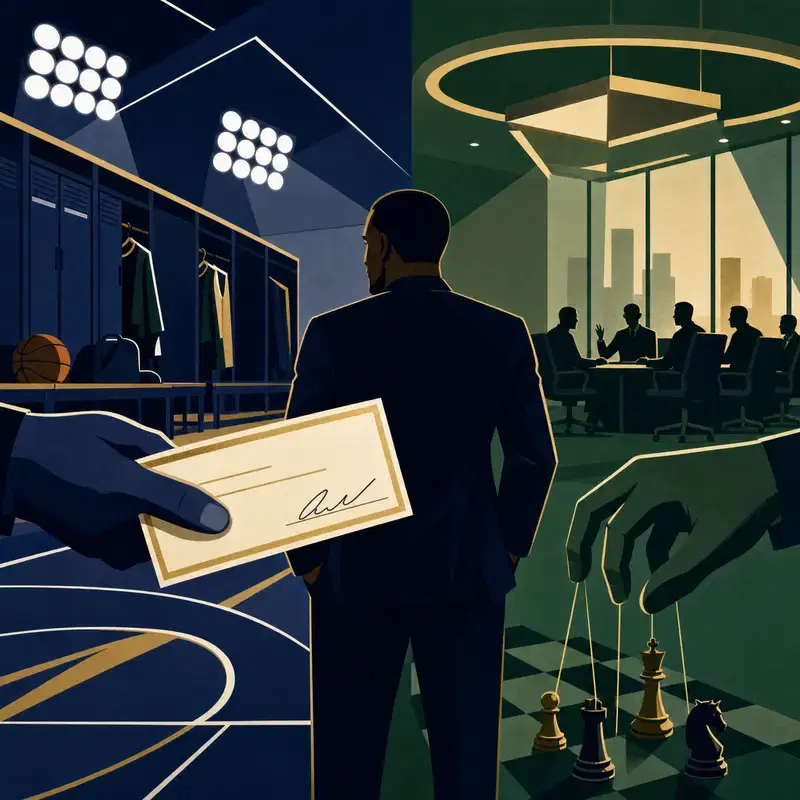
A giant sponsorship check has a useful trick. It makes the future look optional. Newsweek’s profile of Rich Paul and Klutch Sports starts with the kind of number that usually ends a negotiation, an assured $15 million from McDonald’s. Paul’s counterlesson is that LeBron James instead put $1 million into Blaze Pizza, a stake Newsweek says is now estimated at more than $30 million.
That is not a fairy tale about pizza. It is a deal structure lesson with better toppings. A sponsorship pays an athlete to transfer attention to somebody else’s brand. Equity, if the company grows and the terms hold up, lets the athlete participate in the value their attention helps create.
The deal snapshot, according to Newsweek
Newsweek frames the choice around Paul’s distinction between getting paid and building a business. “Anybody could do a deal,” Paul told Newsweek. “Not the right deal, but you can do a deal. That’s one thing. But if you’re trying to build a business, that’s different. You have to feel it. You have to have a pulse on that.”
The press release version would call both options brand partnerships. The contract version asks who owns the upside after the first campaign clears. The clean comparison, according to Newsweek, is $15 million in assured sponsorship money from McDonald’s versus a $1 million investment in Blaze Pizza. The Blaze Pizza stake is now estimated at more than $30 million, Newsweek reported.
That does not mean the smaller check was safer. It means the smaller check bought exposure to enterprise value, while the larger check likely bought a defined use of celebrity, fame, and audience trust.
The structure: fee, equity, control
Newsweek also connects the lesson to Paul’s broader emphasis on athletes getting equity in a business rather than only a paycheck from a brand. That sentence is doing real work. A fee is usually simple: the athlete performs, the brand pays, and the company keeps the asset. Equity is messier, because it requires questions about valuation, dilution, voting rights, transfer restrictions, exit timing, and whether the athlete’s promotional labor is priced fairly.
For athlete founders, the first question is not whether a check is large. It is what the check prevents. If an athlete takes cash but grants broad category exclusivity, long term likeness rights, or rights to content and trademarks they may want later, the fee can be expensive in disguise. In sports business, the adjective is free. The structure is where the money lives.
The platform: Klutch sells more than access, Adam Mendler and The Athletic show
Adam Mendler’s Thirty Minute Mentors transcript introduces Paul through a client roster that includes LeBron James, Anthony Davis, De’Aaron Fox, and Tyrese Maxey. That list matters because star access is the obvious product an agency can sell. The more durable product is leverage across contracts, brands, media, and business formation. A modern representative is not only finding the next sponsor logo for the warmup hoodie.
The Athletic reported that United Talent Agency made a significant financial investment in Klutch Sports Group, with Paul set to run UTA’s new sports division. The same report says Paul stepped away from Creative Artists Agency in 2012 to represent LeBron James, who also left CAA. That history is the platform story. Klutch was not merely booking endorsements around one athlete; it became an asset other talent firms wanted to buy into.
The read for athlete founders
The useful takeaway from Newsweek’s profile is not that every athlete should reject guaranteed cash. Guaranteed money is still money, and many athletes have short earning windows, family obligations, and career risk that make certainty rational. The mistake is treating guaranteed money as automatically superior to ownership. Sometimes the biggest check is just the cleanest way for a brand to cap what it owes you.
The next generation of athlete founders should evaluate three things before taking the headline number: control, equity, and platform value. Control asks who can use the athlete’s name, image, content, and category rights. Equity asks whether the athlete owns a piece of the business they are helping sell. Platform value asks whether the deal builds an asset that can compound after the campaign, the season, or the playing career.
Watch the next Klutch style deals less for the sponsor name and more for the cap table. The question is not whether athletes can monetize fame. They already do. The better question is whether they are renting it out by the campaign or converting it into ownership that survives the applause.
Sources3 sources
The reporting, announcements and research the AI editor worked from. Links open the original publisher.